
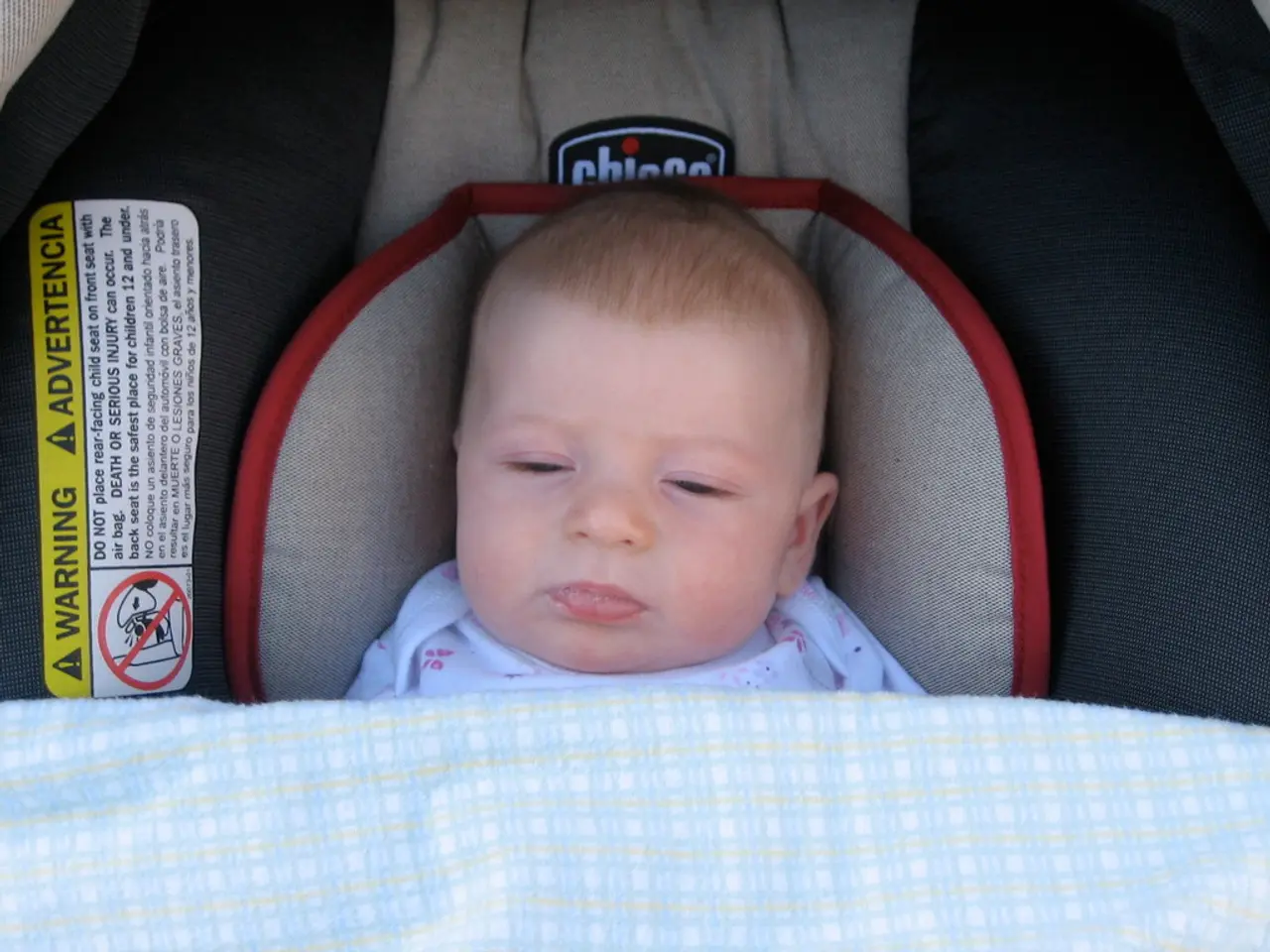
Secure Wrapping for Infant's Peace of Mind and Security
New parents often seek ways to soothe their babies and promote better sleep. One popular method is swaddling, a centuries-old practice that involves wrapping a baby snugly in a blanket or cloth. This article offers a guide to safe and effective swaddling techniques for newborns.
Swaddling, when done correctly, can offer numerous benefits. It can reduce the risk of Sudden Infant Death Syndrome (SIDS), promote better sleep for babies, and provide a sense of security and comfort. However, it's essential to ensure that the swaddle is snug but not too tight, allowing the baby to move their hips and legs freely to prevent hip dysplasia.
To begin, use a proper swaddle blanket designed for swaddling, ideally larger than small receiving blankets, ensuring enough fabric to wrap securely and comfortably. Lay the blanket in a diamond shape and fold down the top corner to create a straight edge sized to your baby's size. Place the baby on their back with shoulders just below the folded edge of the blanket.
Next, wrap the blanket snugly but not tightly across one arm and the chest, tucking it under their body without restricting chest movement or causing tightness around hips and legs. The legs should be able to bend and move freely. Allow the baby access to their hands or avoid tightly tucking the hands in the swaddle to enable natural self-soothing behaviors like sucking on their hands.
Avoid over-bundling to prevent overheating, which is a risk factor for SIDS. Always place the baby on their back to sleep while swaddled. Stop swaddling when the baby shows signs of rolling over to prevent risk of suffocation or injuries, transitioning gradually by swaddling with one arm out first, then both arms out.
Additional safety considerations include skin-to-skin contact as a safe alternative or complement to swaddling, which helps regulate the baby’s temperature. Keep swaddling duration age-appropriate, generally recommended only during the newborn stage before mobility increases.
It's crucial to use a lightweight, breathable blanket or swaddle that is specifically designed for swaddling to prevent overheating and the risk of SIDS. Leaving loose ends in the swaddle can be hazardous as they may wrap around the baby's neck or face.
Some babies prefer having their arms swaddled while others may prefer having them free. Experimenting with different swaddling techniques can help find what is most comfortable for the baby. Improper swaddling can restrict a baby's movement, leading to breathing difficulties, hip dysplasia, or improper hip development.
Other soothing methods include gently rocking or bouncing a baby, playing soft music, or using white noise machines to create a calming environment. Swaddling can also help prevent scratching for babies.
By following these guidelines, swaddling can be a safe, soothing, and effective way to support newborn sleep while minimizing risks.
- Swaddling, when done correctly, can reduce the risk of Sudden Infant Death Syndrome (SIDS), promote better sleep for babies, and provide a sense of security and comfort.
- To ensure safety, use a proper swaddle blanket designed for swaddling, ideally larger than small receiving blankets, and fold it in a diamond shape.
- Place the baby on their back with shoulders just below the folded edge of the blanket, then wrap the blanket snugly, but not tightly, across one arm and the chest.
- The legs should be able to bend and move freely to prevent hip dysplasia, and allow the baby access to their hands or avoid tightly tucking the hands in the swaddle to enable natural self-soothing behaviors.
- It's important to keep swaddling duration age-appropriate, generally recommended only during the newborn stage before mobility increases, and always place the baby on their back to sleep while swaddled.
- Swaddling is just one method among others for soothing babies, such as gentle rocking, playing soft music, or using white noise machines, and it's crucial to use a lightweight, breathable blanket specifically designed for swaddling to prevent overheating and the risk of SIDS.