
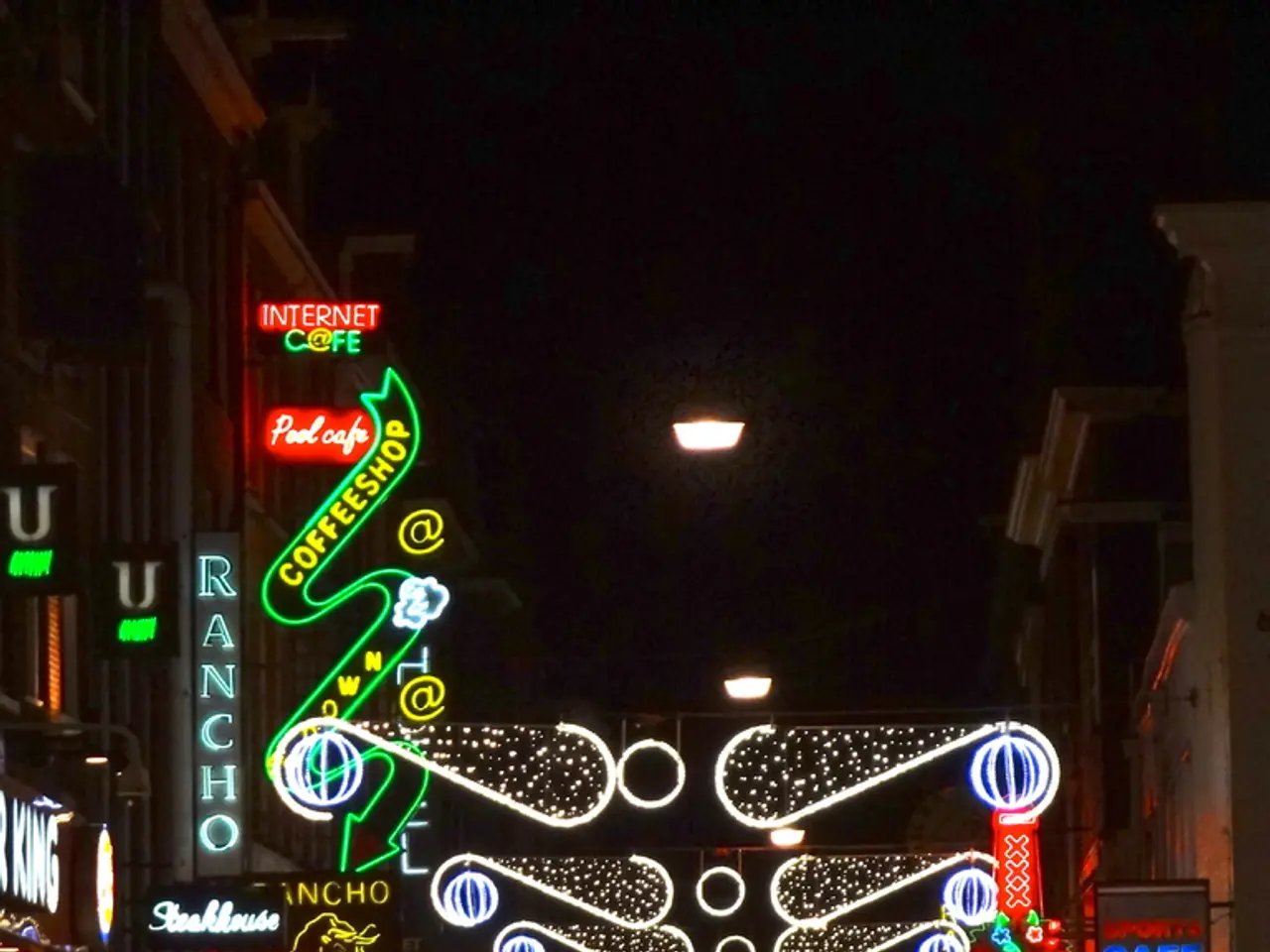
Dimming of Billboards to Enhance Road Safety for Motorists
In a bid to protect public health and safety, especially for residents and drivers, the Bangkok Metropolitan Council has approved a draft regulation to control the brightness of illuminated billboards. This initiative, championed by Bangkok Governor Chadchart Sittipunt, seeks to enhance urban comfort and safety for Bangkok's residents and commuters.
The key specifics of this draft regulation include:
**Brightness Caps:**
Between 7:00 AM and 7:00 PM, billboards must not exceed 5,000 candelas per square meter. From 7:00 PM to 7:00 AM, the brightness must be reduced to no more than 500 candelas per square meter.
**Public Health and Safety Criteria:**
The regulation responds to concerns that excessively bright billboards cause discomfort to residents and create potential hazards for drivers by generating glare and distraction. It aims to balance urban commercial interests with residents' well-being and road safety, mitigating light pollution that impairs visual comfort and safety.
**Scope of Signs Affected:**
The regulation specifically targets illuminated billboards in the Bangkok metropolitan area. Although the focus is on digital or luminescent advertising signs, the high intensity of light emission contributing to urban light pollution is the primary concern.
**Regulatory Process:**
The draft regulation was approved in principle by the Bangkok Metropolitan Council. Following this approval, a dedicated committee was formed to scrutinize the regulation before its final adoption vote.
Councillor Putthipat Thanyathammanon of Yannawa district called for the new rules to cover all LED and light-emitting ads, including those attached to buildings. Councillor Suthichai Weerakulsunthorn of Chom Thong district stated that overly bright signage has caused road accidents.
Mr Sittipunt stated that the regulation would apply to signs covered by the 2015 ministerial regulation on billboard control. He emphasised that the regulation aims to protect the public and guide proper investment.
Enforcement of the regulation will target illegal signs more aggressively. The regulation proposes a brightness cap of 5,000 candelas per square metre between 7am and 7pm. This move is expected to encourage businesses to adopt more eye-friendly advertising methods.
[1] Bangkok Post. (2021, September 29). Bangkok to limit billboard brightness to reduce light pollution. Retrieved from https://www.bangkokpost.com/thailand/general/2044422/bangkok-to-limit-billboard-brightness-to-reduce-light-pollution
[2] Nation Thailand. (2021, September 29). Bangkok to limit billboard brightness to reduce light pollution. Retrieved from https://www.nationthailand.com/news/30403574
[3] The Nation. (2021, September 29). Bangkok to limit billboard brightness to reduce light pollution. Retrieved from https://www.nationthailand.com/news/30403574
[4] Thai PBS World. (2021, September 29). Bangkok to limit billboard brightness to reduce light pollution. Retrieved from https://www.thai-psw.com/english/news/20210929001001/bangkok-to-limit-billboard-brightness-to-reduce-light-pollution
The Bangkok Metropolitan Council's proposed regulation on billboard brightness extends beyond urban comfort and safety, aiming to balance the industry of advertising with public health and wellness. This regulation, if enacted, could potentially impact the automotive industry, as overly bright billboards have been linked to road accidents. Notably, the regulation could influence the finance sector, as businesses might invest in eye-friendly advertising methods to remain compliant. Additionally, the initiative addresses concerns about light pollution, a topic closely linked to the science of environmental conservation.