
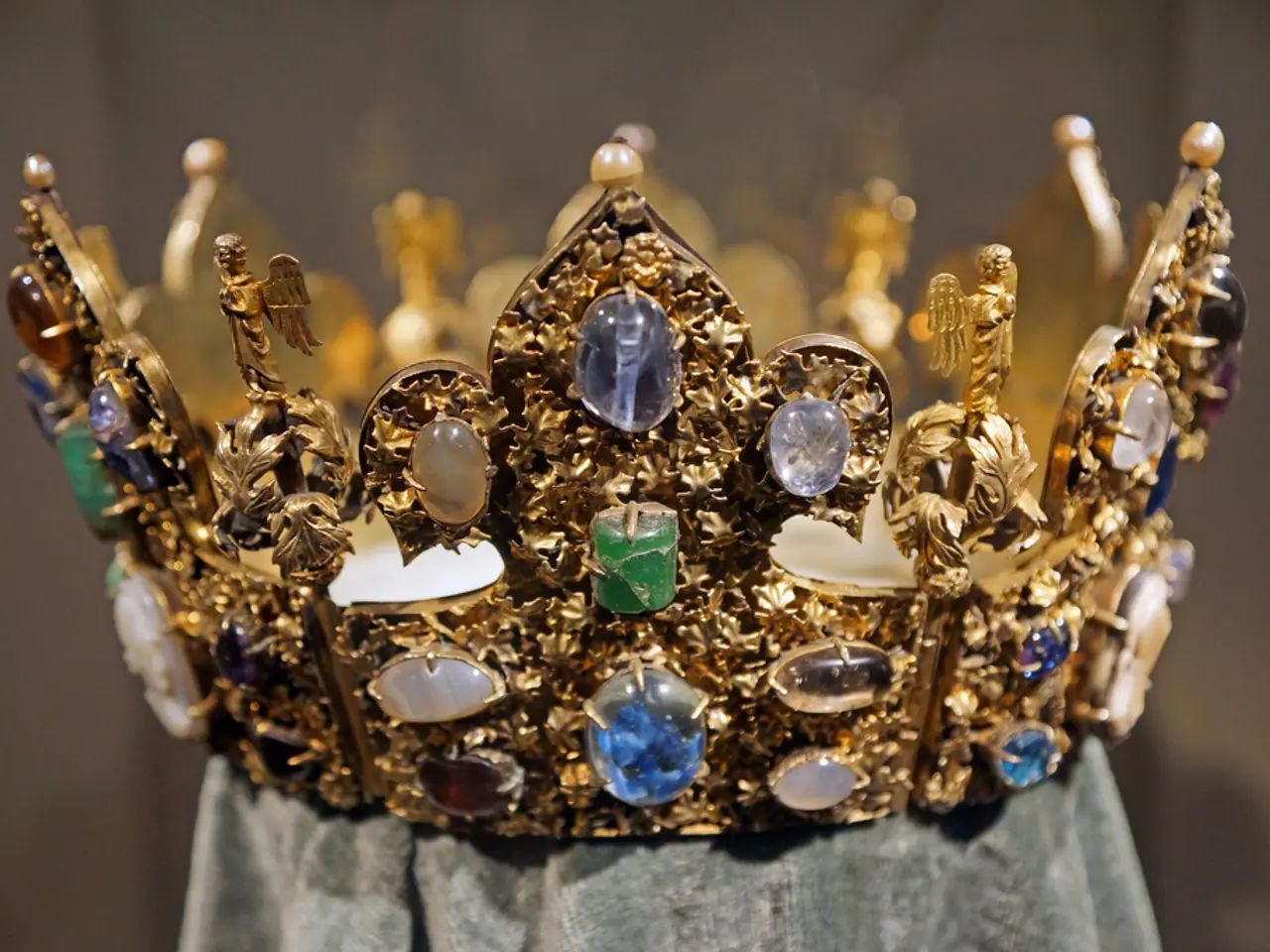
Diamond Appreciation for Novices: Deciphering the Diamond Grading Methodology
The world of diamonds is a fascinating one, and at the heart of evaluating their quality lies the internationally recognised 4Cs system. Developed by the Gemological Institute of America (GIA), this system assesses the quality of a diamond and directly impacts its value. The 4Cs—Carat weight, Color, Clarity, and Cut—are the cornerstone of diamond grading.
### The 4Cs Explained and Their Impact on Value
1. **Cut** The cut of a diamond refers to how well it has been shaped and faceted. This aspect influences the diamond's brilliance, sparkle, and overall beauty. Cut grades range from Excellent to Poor. A well-cut diamond reflects light better, often appearing more brilliant and sometimes larger than others of the same carat weight. Cut quality has one of the most significant impacts on a diamond's perceived beauty and value.
2. **Color** Color grading measures the lack of color in a diamond. The scale runs from D (colorless) to Z (noticeable yellow or brown tint). Colorless diamonds (D–F) are the most premium and valuable, while near-colorless (G–J) offer good value, and faint colors (K–M) are less valuable. The less color a diamond has, the rarer and more valuable it generally is.
3. **Clarity** Clarity evaluates the presence of internal inclusions and external blemishes. Diamonds are graded from Flawless (no inclusions visible under 10x magnification) to Included (with visible flaws). Diamonds with fewer and smaller inclusions are rarer and command higher prices because they appear clearer and more perfect to the naked eye.
4. **Carat Weight** Carat weight measures the weight (not size) of the diamond, where 1 carat equals 200 milligrams. Larger diamonds are rarer and more valuable. However, price increases exponentially at key carat milestones rather than linearly.
### How Grading Impacts Diamond Value
A diamond's value depends on a balanced combination of the 4Cs. For example, a large carat diamond with poor cut or color may be less valuable than a smaller diamond with excellent cut and color. Certification by reputable labs like GIA ensures that grading is accurate and transparent, increasing buyer confidence and the diamond's market value. Diamonds graded higher on the 4Cs command the highest prices, while those with lower grades may have diminished value, even if they are large, due to less brilliance or visible imperfections.
The grading process also applies to lab-grown diamonds, with the same 4Cs standards increasingly used, further standardizing valuation across natural and synthetic stones. In summary, diamond grading through the 4Cs system critically determines a diamond's quality and market value by evaluating its cut, color, clarity, and carat weight. Buyers and sellers rely on these grades and certification to assess beauty, rarity, and price accurately.
- At teaching centres focusing on gemmology, students gain a deep understanding of diamond grading using the 4Cs system, which is developed by the Gemological Institute of America (GIA).
- To ensure the accuracy and reliability of diamond grading, medical-conditions and health-and-wellness issues must be considered by the experts, as they could potentially affect the cutting process.
- The gemmology diploma course at your preferred learning institution highlights the importance of the 4Cs system in technology-driven teaching centres, as it directly impacts the perceived beauty and value of diamonds.
- Environmental factors and social responsibility in mining are crucial considerations when evaluating healthcare and wellness implications for diamond mining communities, alongside the more traditional 4Cs of diamond quality assessment.